Clean, repeatable insulation removal for delicate micro wires

Fine Enamel Wire Stripping for Medical Devices

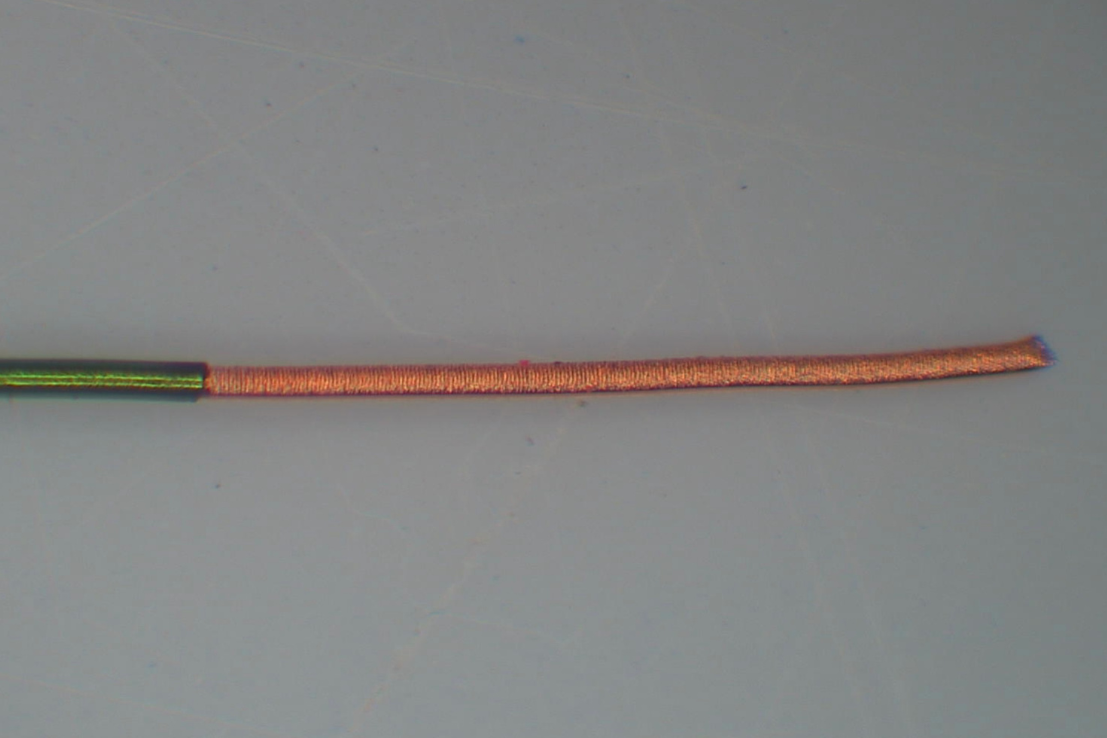
Create clean, repeatable end and window strips on fine enamel- and polyimide-coated wires used in catheters, implantables and other high-density medical devices.

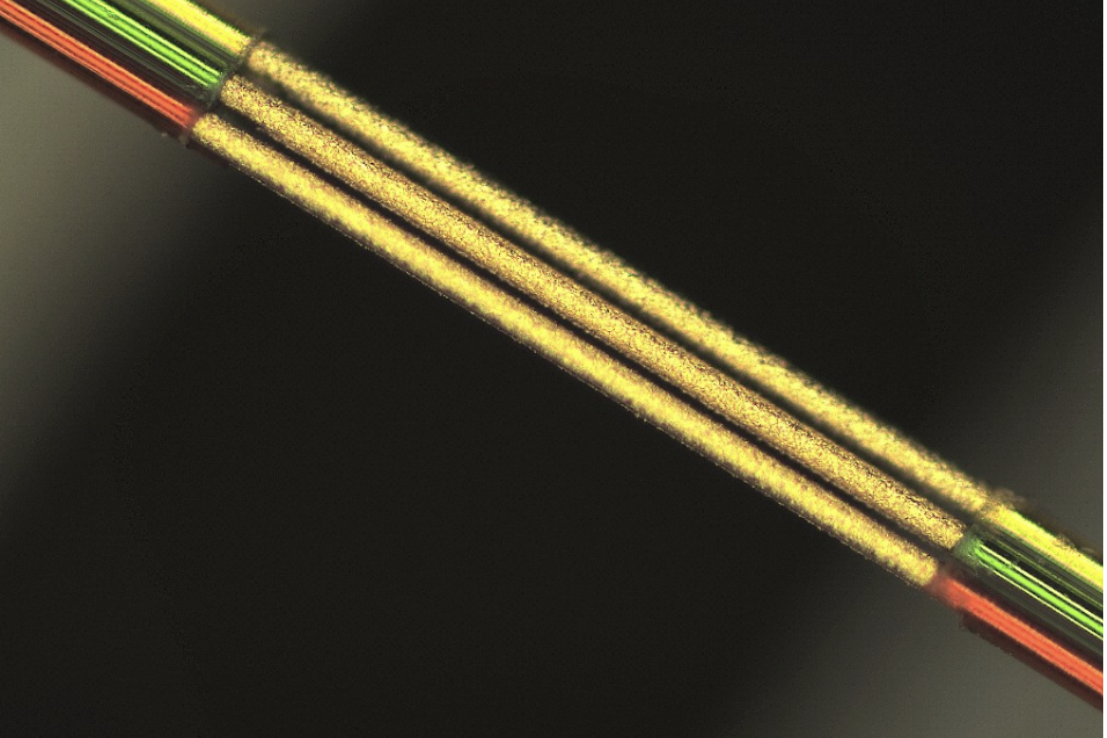
Laser Wire Solutions develops non-contact stripping processes for single wires, twisted pairs and multifilar constructions, helping protect delicate conductors and prepare consistent surfaces for soldering, welding and termination.


Non-Contact Processing

Recipe Controlled

Precise Strip Quality

Ready for Validation

Why are fine enamel wires difficult to strip?

Fine enamel wires make it possible to fit more electrical connections, sensors and conductors into increasingly compact medical devices. Their insulation is extremely thin but also tough, making it difficult to remove without affecting the conductor underneath.

On wires commonly ranging from 38 to 52 AWG, even a small surface mark, remaining insulation or variation in strip geometry can influence the subsequent connection process.

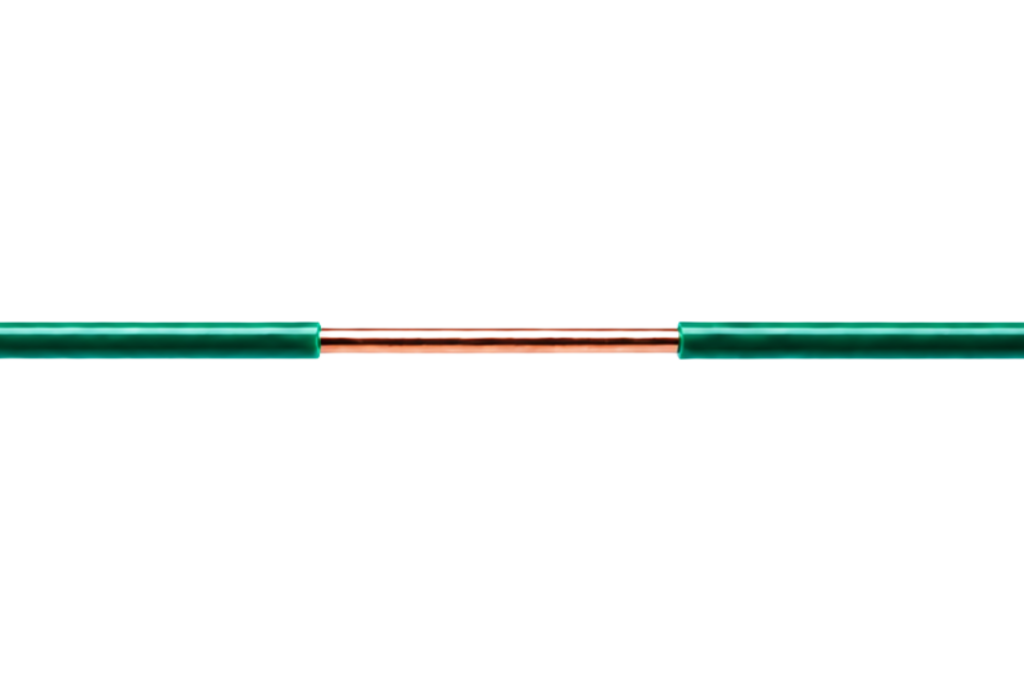
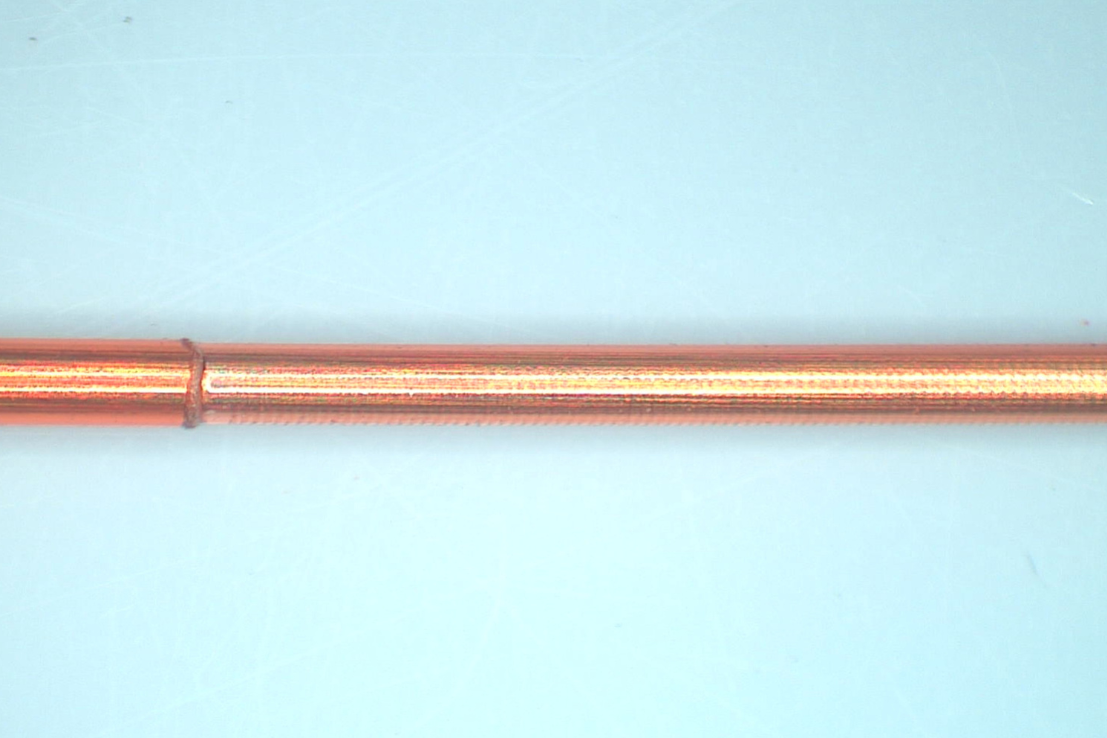
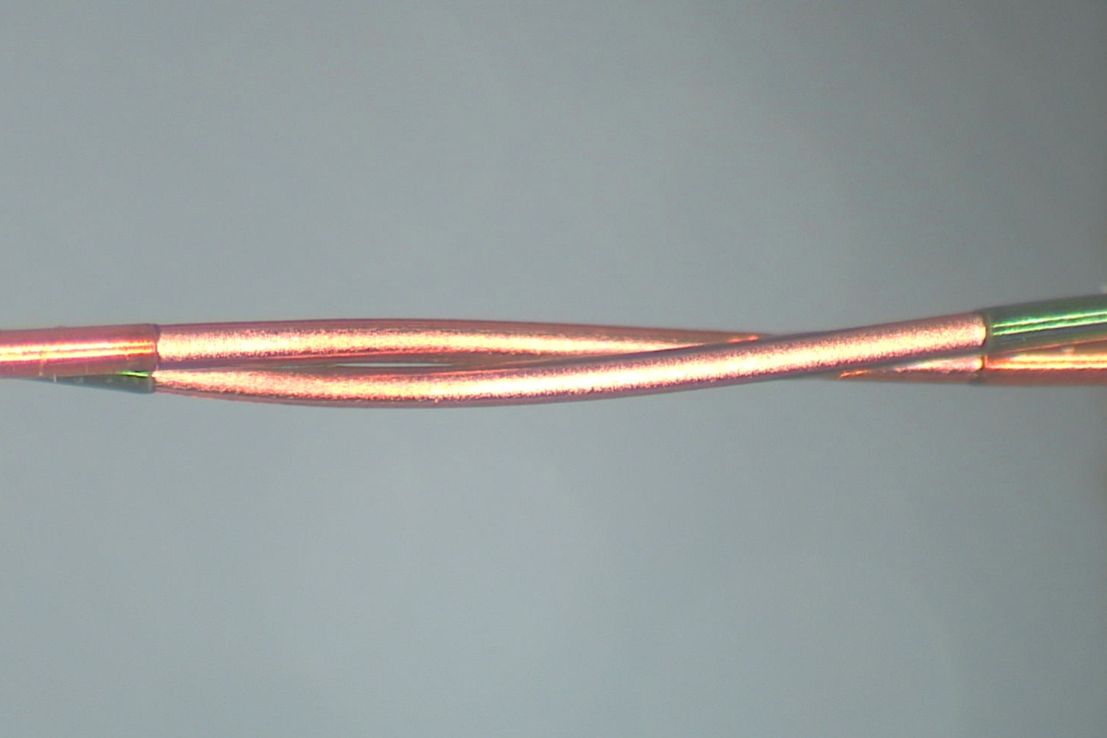
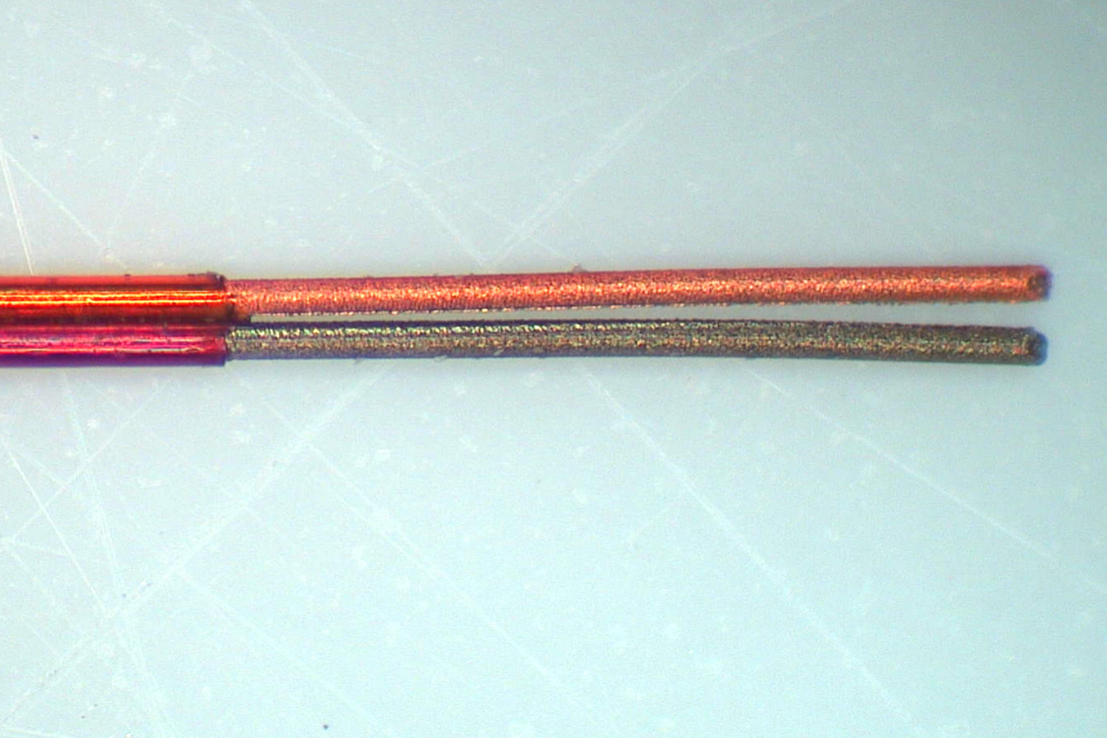
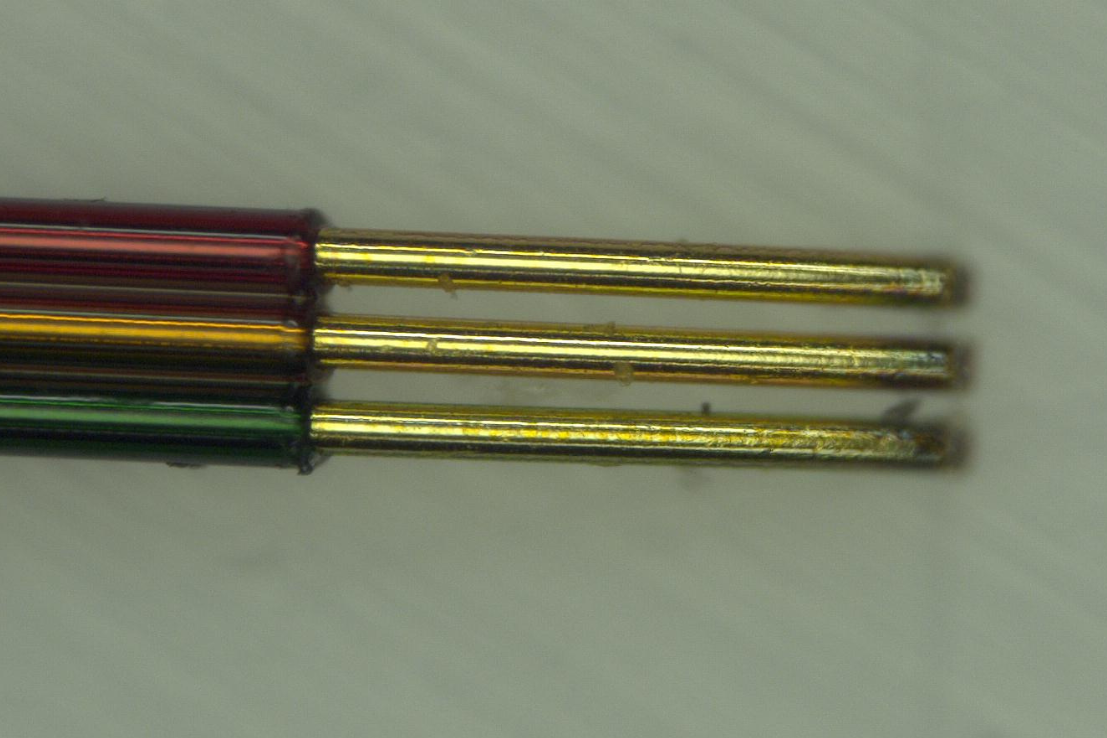
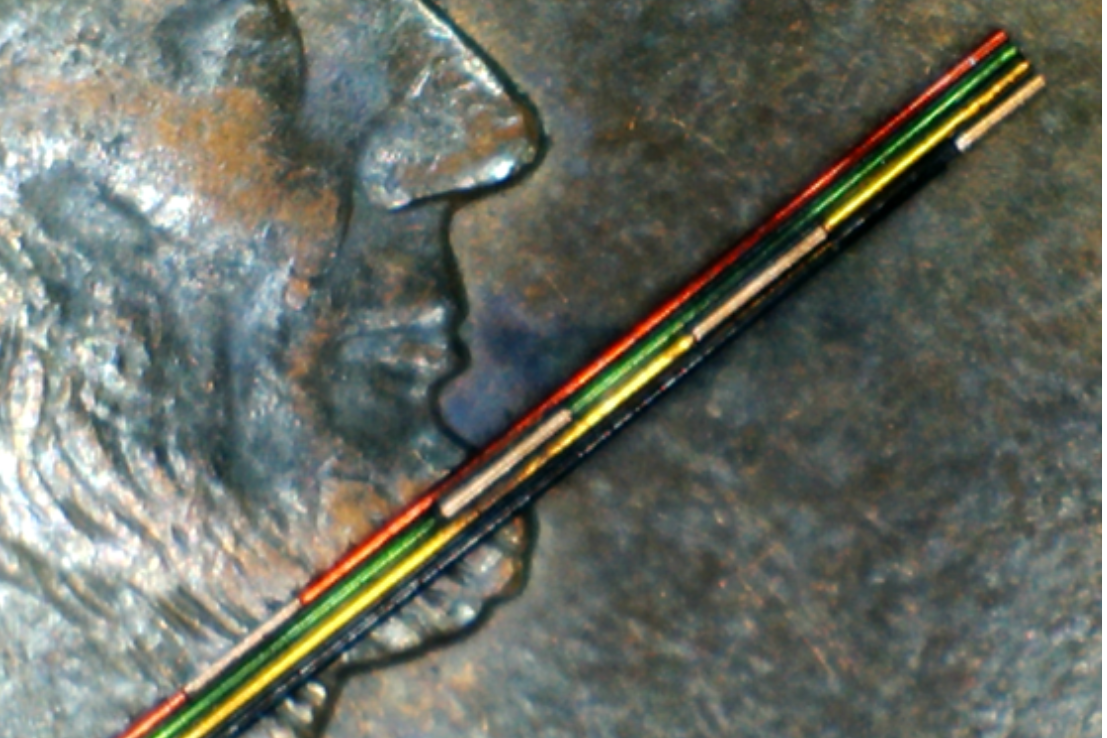
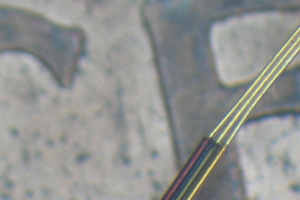
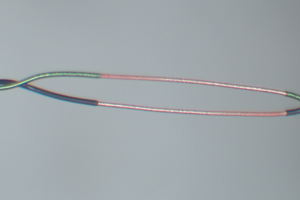
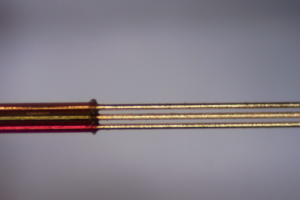
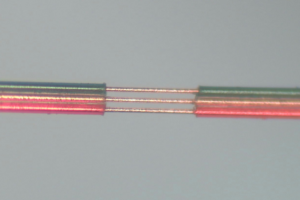
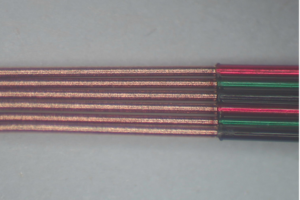
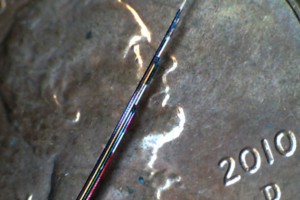
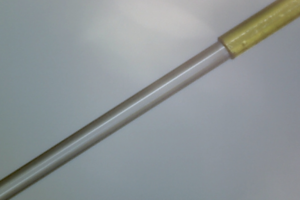
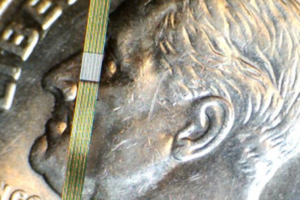
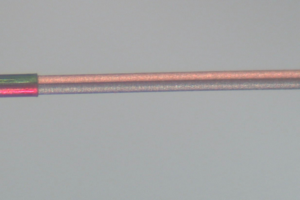
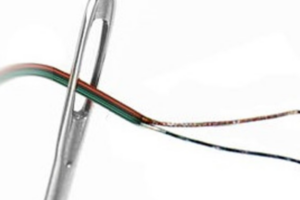
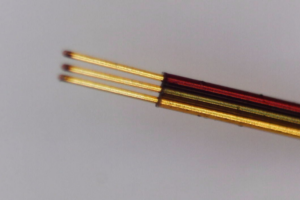
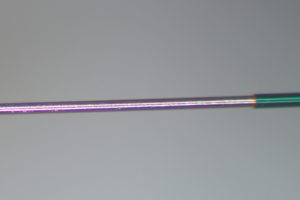
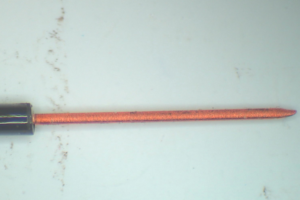
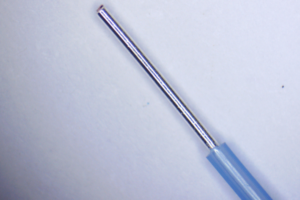
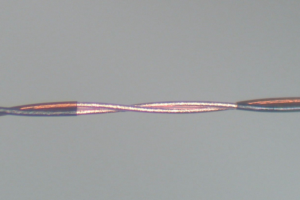
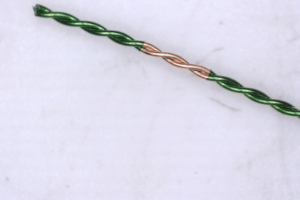
Green Enamel Wire Stripped Using Lasers LWS Middle Strip Window Strip fine enamel wire stripping
Small conductor
(down to 52 AWG)
Tight dimensional tolerances
Polyimide Insulation
Delicate conductors
Prone to Damage

Compare Insulation Removal Methods

Mechanical strippingAn angled scraping blade above fine wavy conductors.

Mechanical

Thermal strippingThree heat waves rising above a heated plate.

Thermal

Chemical strippingA chemical droplet above a liquid surface.

Chemical

Laser strippingA fine wire passing through a precise laser interaction point.

Laser

Connection Quality Starts with Wire Preparation

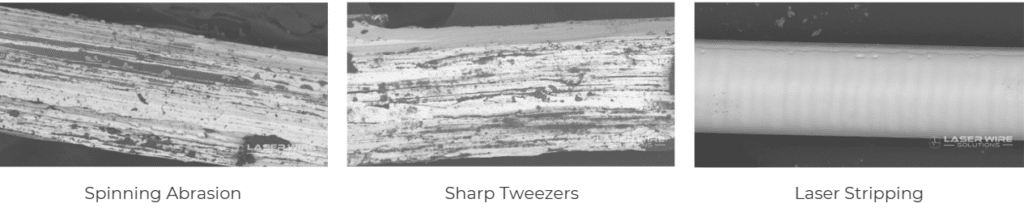
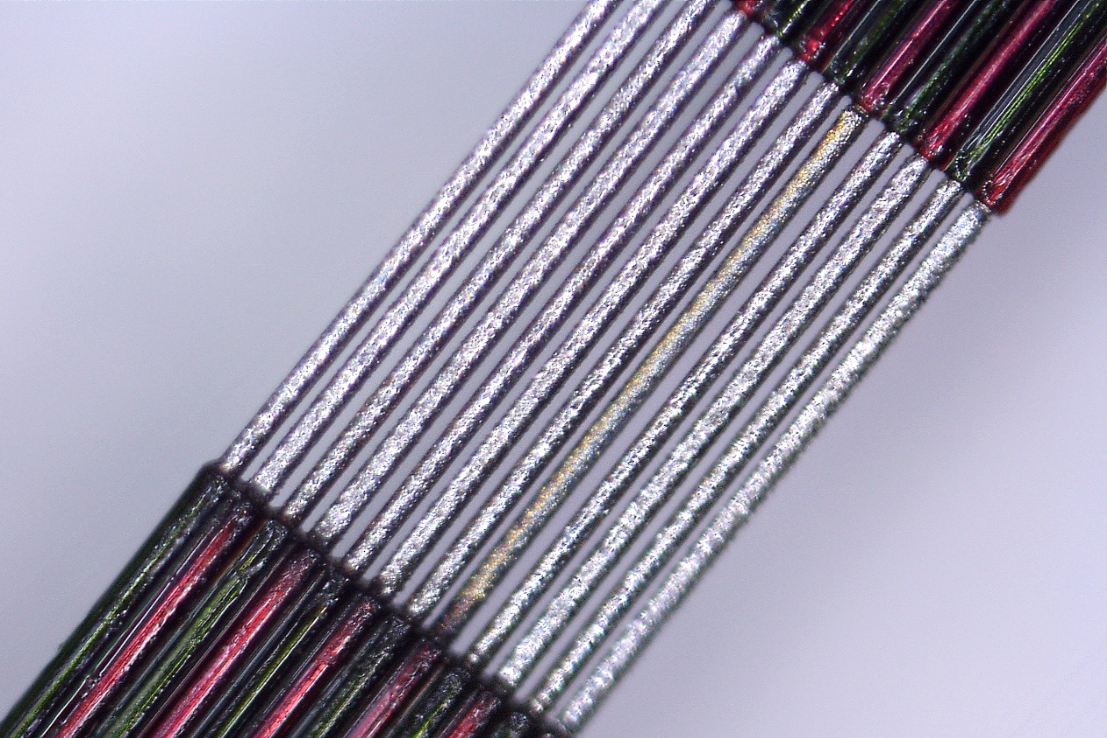
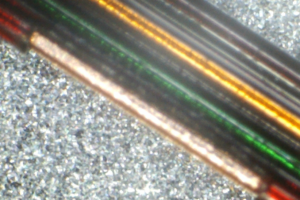
The SEM images show the condition of the conductor surface after the insulation has been removed. At high magnification, traditional methods can leave scratches, residue and an uneven surface, while the laser-stripped wire appears clean and consistent. This cleaner surface helps support more reliable soldering, welding and electrical connections

SEM Images - Laser vs Tweezer vs Cones

Fine Wire Stripping Capabilities

Where Fine Enamel Wires Are Used

Electrophysiology

Cardiac Mapping

Pressure Sensing

Neurostimulation

Cochlear Implants

Endoscopic Devices

Does the stripping process affect downstream joining?

Removing the insulation is only one measure of a successful stripping process. In customer testing comparing manually scraped and laser-stripped copper wires, laser-prepared samples matched or exceeded the average maximum peel force of manually prepared samples across all three ultrasonic welded configurations tested.
Case Study

FAQs

Is polyimide wire the same as enamel wire?

Enamel is a general term for thin polymer coatings applied directly to a conductor. Polyimide is one type of coating that may be used on fine medical wire. Other formulations include polyurethane, polyester enamel and polyester-imide.

Can laser stripping damage a fine conductor?

Laser processing removes the need for a blade or abrasive tool to contact the conductor. However, the laser wavelength, energy and pattern must still be matched to the wire. Laser Wire Solutions confirms this through sample processing and inspection.
Can laser stripping produce both end and window strips?

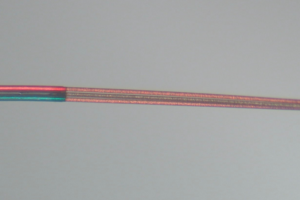
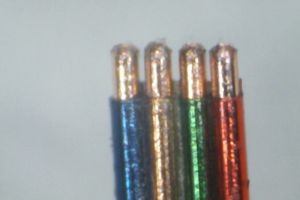
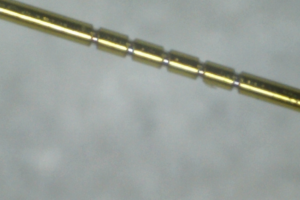
Yes. Laser processes can produce 360-degree end strips, small windows, repeating patterns and staggered features across multifilar constructions.

What is the smallest wire that can be processed?

Laser Wire Solutions has systems suitable for wires down to 50 AWG. Feasibility depends on the conductor, coating, insulation thickness, handling requirements and strip geometry.

Does laser stripping improve soldering or welding?

A clean and consistent exposed surface can support a more repeatable downstream connection process. Strip quality is only one part of the final joint, so the complete soldering, welding or termination process should still be validated.

Can LWS supply processed wire instead of equipment?

Yes. The ISO 13485-certified Medical Device Component Supply service can provide spool-to-spool or pre-cut laser-processed wire for development, validation and volume production.