As medical devices continue to shrink, integrate more electronics, and face tighter regulatory oversight, one truth is becoming increasingly clear: wire stripping for medical devices can no longer be treated as a minor manufacturing step. In 2026, it is a quality-critical process with direct implications for performance, reliability, and compliance.
That reality is why wire stripping for medical devices is no longer just a technical discussion—it is a strategic one. Across MedTech, OEMs are re-evaluating traditional mechanical approaches and increasingly adopting laser-based processes to handle fine wires, delicate conductors, and advanced insulation systems with greater precision and control.
OEMs that understand why laser-based wire stripping outperforms legacy methods—and how to implement it correctly—are achieving higher yields, lower cost of quality, and stronger audit outcomes. Those that do not risk being constrained by mechanical stripping limitations that no longer scale with modern medical device design.
Why Laser Wire Stripping Is Becoming the MedTech Standard
Laser wire stripping removes insulation using controlled energy rather than physical force. That single difference fundamentally changes what is possible in wire preparation.
In contrast to mechanical stripping, laser stripping offers:
-
Non-contact insulation removal
-
No blades to wear, dull, or drift
-
Micron-level control over strip length and depth
-
Highly repeatable, software-controlled processes
For medical devices using fine-gauge wires, multi-layer insulation, or sensitive conductors, this level of control is not a luxury, it is a necessity.
By 2026, many OEMs are no longer asking whether laser stripping works. They are asking how fast they can standardize it across product families.
Non-Contact Precision: Eliminating the Root Cause of Wire Damage
The most common wire-related failures in medical devices trace back to mechanical stress introduced during stripping. Blade nicks, crushed strands, partial cuts, and insulation tearing often escape detection until late testing, or worse, field use.
Laser wire stripping removes insulation without touching the conductor.
This non-contact approach:
-
Eliminates blade-induced strand damage
-
Preserves conductor geometry and tensile strength
-
Produces clean, repeatable strip edges
-
Reduces variability between operators and shifts
For OEMs chasing reliability in high-risk or implantable devices, this alone makes laser stripping the safer choice.
Material Flexibility That Mechanical Methods Cannot Match
Modern medical devices rely on insulation materials selected for biocompatibility, dielectric performance, chemical resistance, and flexibility, not for ease of stripping.
Laser wire stripping excels because it is material-adaptive.
Fluoropolymers (PTFE, FEP, PFA)
These materials are notoriously difficult to strip mechanically, especially at small diameters. Laser processes can be tuned to cleanly ablate insulation without deforming or stressing the conductor.
PEEK, Polyurethane, Silicone, Nylon
Each material responds differently to heat and energy. Laser systems allow OEMs to optimize wavelength, pulse width, and energy density to achieve clean removal with minimal thermal impact.
Pigments, Fillers, and Wall Thickness
Unlike fixed mechanical tooling, laser stripping can tolerate reasonable material variation, critical when suppliers, lots, or formulations change over a product’s lifecycle.
This flexibility future-proofs designs and reduces costly redesigns.
Cleaner Strip Zones for Cleaner Devices
Cleanliness expectations in MedTech continue to rise, especially for implantable and patient-contact devices. Laser wire stripping supports these expectations by design.
When properly engineered, laser stripping:
-
Produces no metal debris
-
Avoids lubrication or blade residue
-
Minimizes insulation smearing
-
Supports effective smoke and particulate extraction
For OEMs managing extractables, particulates, and cosmetic standards, laser stripping reduces contamination risk at the source, rather than relying on downstream cleaning to fix upstream damage.
Designed for Automation and Digital Traceability
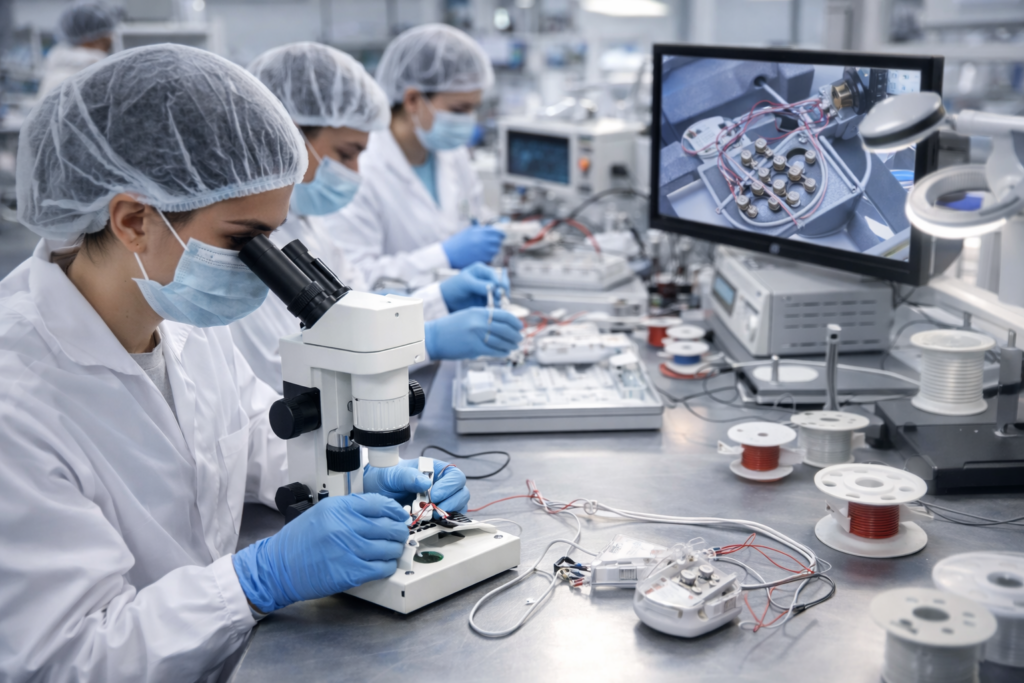
By 2026, automation and data integrity are no longer optional. Laser wire stripping integrates naturally into automated manufacturing cells.
Key advantages include:
-
Vision-guided alignment for precise strip location
-
Recipe-based parameter control
-
In-line verification and inspection compatibility
-
Automatic data capture tied to lot and device records
This makes laser stripping far easier to defend in audits where traceability, repeatability, and objective evidence are under scrutiny.
Mechanical stripping, by comparison, struggles to scale cleanly into fully automated, data-rich environments.
Validation That Supports Long-Term Stability
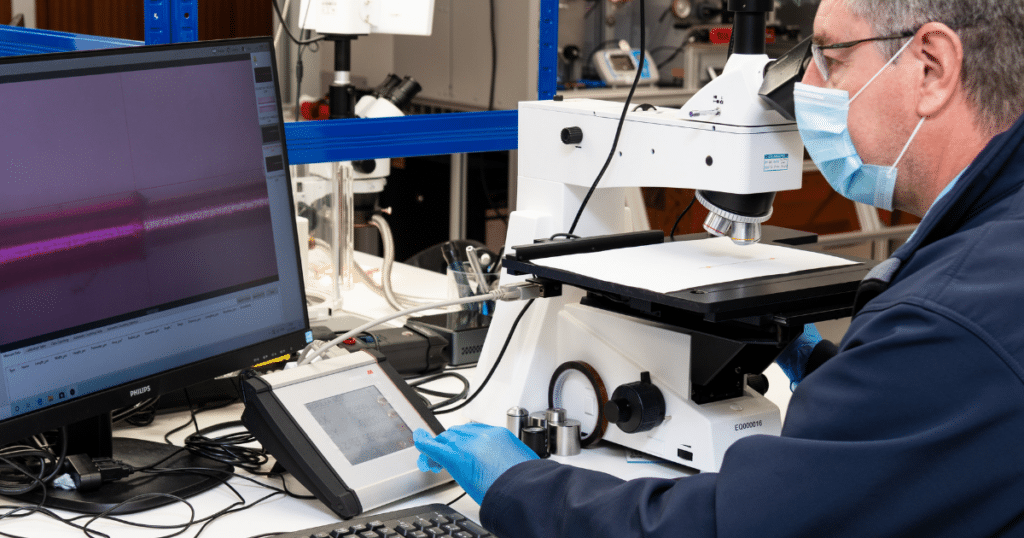
A persistent myth is that laser processes are harder to validate. In reality, laser wire stripping is often easier to validate and maintain once properly developed.
Laser systems offer:
-
Stable, software-controlled process windows
-
Locked recipes with access control
-
Minimal dependence on operator technique
-
Clear linkage between parameters and outcomes
Once validated, laser stripping processes remain stable over long production runs, reducing revalidation frequency and long-term quality burden.
Design for Manufacturability Starts with Laser Stripping
Laser stripping works best when OEMs define requirements clearly during design.
Best-practice definitions include:
-
Exact strip length tolerances
-
Acceptable edge geometry
-
Conductor exposure limits
-
Keep-out zones for heat and debris
When these are specified early, laser stripping becomes a predictable, high-yield process, rather than an iterative troubleshooting exercise.
Inspection and Metrology: Confidence Through Evidence
Laser stripping supports robust inspection strategies that build confidence instead of uncertainty.
Common verification methods include:
-
Visual inspection at defined magnification
-
Strip length measurement with known uncertainty
-
Electrical continuity and insulation resistance testing
-
Periodic destructive checks where appropriate
Trending inspection data over time allows OEMs to detect drift early, long before yield or reliability is affected.
Lower Total Cost of Quality Over the Product Lifecycle
While laser systems require higher upfront investment, OEMs consistently find that lifecycle costs favor laser stripping.
Savings come from:
-
Reduced scrap and rework
-
Fewer downstream termination failures
-
Lower preventive maintenance
-
Reduced audit findings and deviations
By 2026, the cost argument increasingly supports laser stripping, not just for high-end devices, but for any product where reliability and scale matter.
Why Forward-Looking OEMs Are Standardizing on Laser Stripping
The strategic shift is already happening.
Leading OEMs are:
-
Migrating fine-wire applications to laser stripping first
-
Building design rules around laser-based processes
-
Expecting suppliers to demonstrate capability
-
Using laser stripping as an enabler for automation
Laser wire stripping aligns with where MedTech is going: smaller devices, higher reliability expectations, and deeper regulatory scrutiny.
FAQs: Laser Wire Stripping for Medical Devices
Does laser stripping damage conductors?
No. As the laser is a light source, it reflects off conductors meaning it does not damage them.
Can laser stripping scale to high volumes?
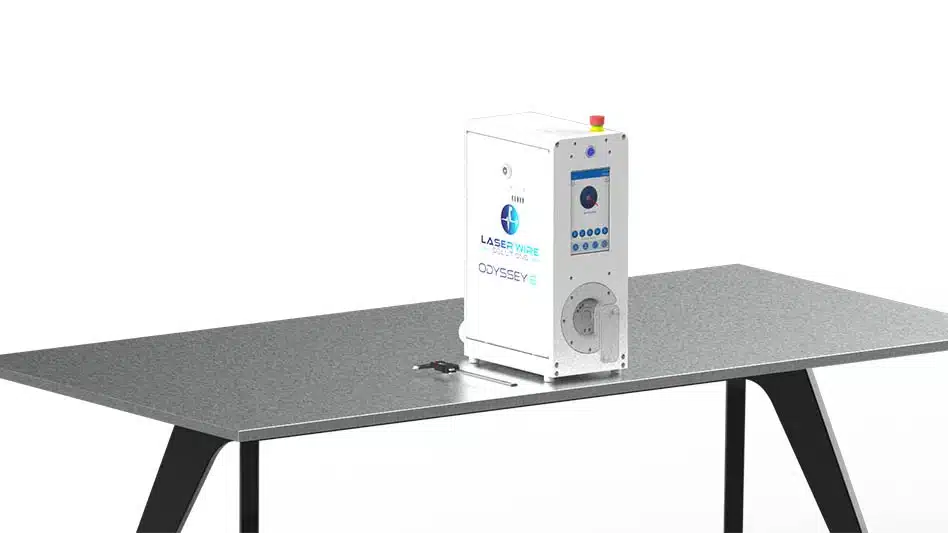
Absolutely. Laser systems are inherently repeatable and automation-friendly. Laser Wire Solutions also offers a wire stripping service for Medical Device manufacturers which fully automates the wire stripping process and delivers pre-stripped wire direct to the production line.
Will regulators accept laser wire stripping?
Yes. Regulators focus on control, validation, and evidence, all areas where laser stripping performs well.
Is mechanical stripping obsolete?
No, but its use is increasingly limited to larger, lower-risk wires. For fine and critical applications, laser stripping is often superior.
Do material changes require revalidation?
Often yes, but laser processes typically tolerate variation better than mechanical ones, reducing overall rework.
Conclusion: Laser Wire Stripping Is the Right Answer for 2026
For medical device OEMs preparing for 2026 and beyond, laser wire stripping is no longer an emerging technology, it is the most reliable, scalable, and regulator-ready solution for wire preparation.
OEMs that invest in laser stripping gain:
-
Higher product reliability
-
Stronger compliance posture
-
Lower lifetime manufacturing risk
In an industry where precision, consistency, and trust matter, laser wire stripping is the technology working in favor of OEMs, not against them.