Introduction to Wire Stripping
Wire stripping is the process of removing the insulation layer from electrical wires to expose the conductive metal beneath. It’s a fundamental step in cable preparation, enabling electrical connectivity in various industries. Traditionally, this task was performed using mechanical tools like wire strippers or knives, which often risked damaging the wire or compromising performance.
As technology advanced, modern methods emerged, offering more precise and efficient alternatives. One of the most revolutionary methods is laser wire stripping—a contact-free process that leverages the precision of lasers to remove insulation without harming the conductor.
Understanding Laser Wire Stripping
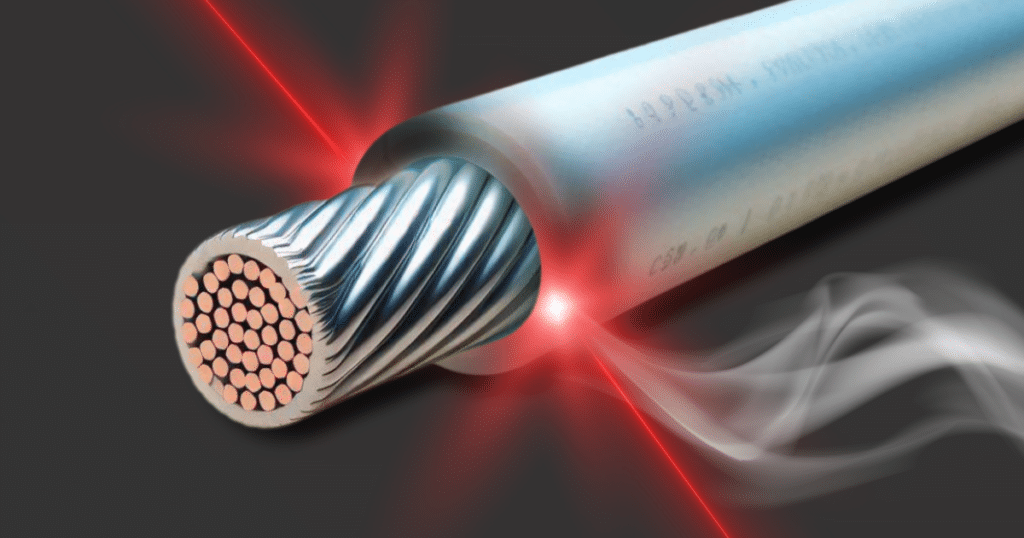
Laser wire stripping uses focused laser beams to remove insulation from wires and cables with micron-level precision. Unlike mechanical methods, which involve physical contact, laser stripping is a non-contact process. This makes it ideal for delicate wires, especially those used in critical sectors like aerospace, medical, and electronics.
The laser beam is calibrated to the insulation’s properties, vaporizing or ablating it without affecting the metal underneath. This process is highly repeatable, customizable, and suitable for complex stripping patterns or small gauge wires.
Types of Laser Wire Stripping Techniques
Contact vs. Non-contact Stripping
-
Contact Stripping involves slight physical interaction, often in semi-automated systems.
-
Non-contact Stripping is fully laser-based, offering precision with no mechanical wear.
Thermal Stripping
Thermal lasers heat the insulation until it peels away or decomposes. This technique works well for heat-sensitive materials but must be controlled carefully to prevent wire damage.
Ablative Stripping
Ablation involves vaporizing the insulation layer using short, high-energy laser pulses. This allows for extremely accurate removal, even in multi-layered or shielded cables.
Types of Lasers Used in Wire Stripping
Different insulation materials and wire diameters call for different laser sources. The most common types include:
- CO₂ Lasers: These are gas-based lasers that emit infrared light. They’re ideal for removing plastic insulation such as PVC and Teflon, especially in larger gauge wires.
- UV Lasers: Ultraviolet lasers operate at short wavelengths, enabling extremely fine ablation with minimal heat impact. Perfect for micro wires or intricate stripping where precision is paramount.
- Fiber Lasers: These are solid-state lasers with a robust design and high electrical efficiency. They excel in high-speed operations and are widely used in production environments with high throughput needs.
- Femto Lasers (Femtosecond Lasers): These lasers emit ultra-short pulses measured in femtoseconds (10⁻¹⁵ seconds), allowing cold ablation—removing insulation without heating the surrounding area. This makes them ideal for ultra-thin wires, medical devices, and aerospace components, where even microscopic thermal damage is unacceptable.
Key Components of a Laser Wire Stripping System
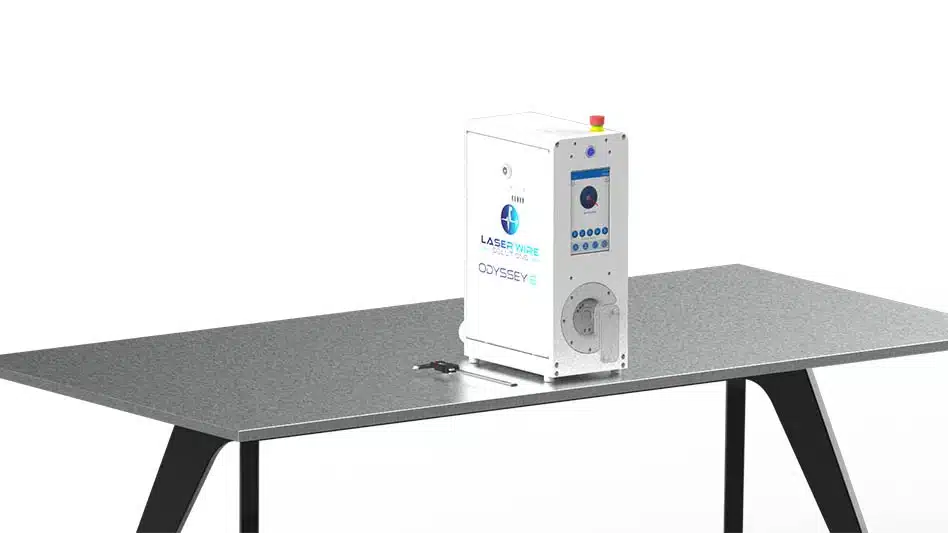
A typical laser wire stripping setup includes:
-
-
Laser Source: The central unit responsible for generating the laser beam. The type of laser (e.g., UV, fiber, CO₂, femto) is selected based on the insulation material and precision requirements.
-
Motion Control System: Ensures precise movement of either the wire or the laser beam, enabling accurate stripping at desired locations and depths. This system often integrates with software for programmable patterns.
-
Safety Enclosure: A sealed housing designed to protect operators from direct or reflected laser radiation. It includes interlocks and often meets Class I laser safety standards.
-
Extraction System: Essential for maintaining a clean processing environment, this component removes vaporized insulation particles, smoke, and micro-debris generated during laser ablation. Proper extraction ensures optical clarity, consistent quality, and compliance with workplace safety standards. It also protects the laser optics and prolongs machine lifespan, in some cases it may also act as a cooling agent for the laser being used.
-
Materials Compatible with Laser Wire Stripping
Laser wire stripping is highly versatile and works across a wide spectrum of insulation materials, including:
-
PVC (Polyvinyl Chloride): Commonly used in consumer electronics and industrial cabling.
-
Teflon (PTFE): Resistant to heat and chemicals, often found in aerospace and automotive wiring.
-
Kapton (Polyimide): A high-performance polymer ideal for flexible printed circuits and high-temp environments.
-
Silicone: Offers flexibility and temperature resistance, used in robotics and mobile electronics.
-
Enamel-Coated Wires: Found in magnet wires used for motors and transformers. Laser stripping cleanly removes the enamel without harming the copper underneath.
-
Polymer-Based Insulations: Various advanced polymers are used in medical and defense applications. Lasers provide the precision necessary to handle these without mechanical damage.
-
Shielded and Coaxial Cables: Laser stripping is effective even in multi-layer cables, removing outer jackets, shielding, and inner insulation with precise control.
This expanded compatibility is a major reason laser stripping has become the method of choice in high-reliability and high-precision industries.
Industries that Use Laser Wire Stripping
Aerospace
-
High-precision stripping required for satellite wiring and aircraft systems.
Automotive
-
Used in electric vehicles and infotainment wiring harnesses.
Medical Devices
-
Essential for minimally invasive tools and implantable devices.
Electronics
-
Supports microelectronics, connectors, and PCB integration.
Advantages of Laser Wire Stripping
-
Unmatched Precision: Micron-level accuracy even in small wires.
-
No Mechanical Damage: Protects fragile conductors.
-
Repeatability: Ensures consistent quality in mass production.
-
Flexible Design: Handles wires and cables that aren’t perfectly cylindrical, twisted wires, and various angles.
-
Low Maintenance: No moving blades or wear-out parts.
Limitations and Considerations
-
High Initial Investment: Laser machines cost more upfront than manual tools.
-
Heat Sensitivity: Not all wire materials handle thermal exposure well.
-
Learning Curve: Requires technical knowledge for operation and calibration.
Safety Standards and Compliance
Laser systems fall under various regulatory standards:
-
Laser Safety Classes (Class I–IV)
-
OSHA Guidelines for workplace laser use
-
ISO Certifications for industrial automation equipment
Proper shielding, interlocks, and eyewear (when necessary) are essential.
Laser Wire Stripping vs. Mechanical Stripping
| Feature | Laser Stripping | Mechanical Stripping |
|---|---|---|
| Precision | High | Moderate |
| Speed | Fast for batches | Slower |
| Damage Risk | Minimal | Higher |
| Maintenance | Low | High |
| Cost | Higher upfront | Lower upfront |
Laser stripping is superior for complex, high-volume, or high-risk tasks, making it a worthwhile investment for advanced manufacturing.
Choosing the Right Laser Stripping Machine
When selecting a laser stripper, consider:
-
Wire Type and Diameter
-
Volume and Speed Requirements
-
Material Compatibility
-
Budget and ROI
-
Support and Warranty
Leading manufacturers offer customizable systems to suit various needs.
Maintenance and Troubleshooting
Maintenance Tips
-
Regularly clean optics and filters.
-
Calibrate motion systems.
-
Update software for performance boosts.
Common Issues
-
Laser misalignment
-
Software glitches
Timely diagnostics and manufacturer support ensure smooth operations.
Latest Innovations in Laser Wire Stripping
-
AI Integration: Adaptive stripping patterns based on wire type.
-
Robotic Automation: Seamless integration with robotic arms and conveyors.
-
IoT Monitoring: Real-time machine health tracking and remote support.
These features are transforming laser stripping into a smarter, data-driven process.
Case Studies and Real-World Applications
Example 1: Aerospace Firm Reduces Scrap Rate by 60%
A leading aerospace company integrated laser stripping and reported improved wire yield and fewer conductor breaks.
Example 2: Medical Device Manufacturer Improves Traceability
By using laser systems with barcode integration, they ensured batch traceability for regulatory compliance.
FAQs on Laser Wire Stripping
1. What wires are best suited for laser stripping?
Fine wires, shielded cables, and delicate insulation materials benefit the most.
2. Is laser stripping safe for operators?
Yes, when proper safety enclosures and eyewear are used.
3. Can laser stripping be used on twisted pairs?
Yes, laser systems can handle complex geometries including twisted wire configurations.
4. How fast is laser stripping?
Speed varies by system, but many perform hundreds of strips per minute.
5. Do laser strippers require a lot of maintenance?
No. Compared to mechanical systems, they require less frequent maintenance.
6. Is training needed to operate a laser stripper?
Yes, basic training is essential for proper use and safety compliance.
Is Laser Wire Stripping Right for You?
Laser wire stripping is a powerful, precise, and efficient technology that’s revolutionizing wire preparation across multiple industries. Though it comes with a higher upfront cost, the long-term gains in productivity, quality, and reliability make it an essential tool for forward-thinking manufacturers.