We worked together with our laser partner MKS Spectra-Physics on a new case study about the Odyssey-8, now running in both Aerospace Manufacturing and Design and Today’s Medical Developments. It’s a great look back at how the machine came to be, and why it’s become one of the most widely adopted benchtop platforms in medical device manufacturing.
It started with one impossible-sounding wire
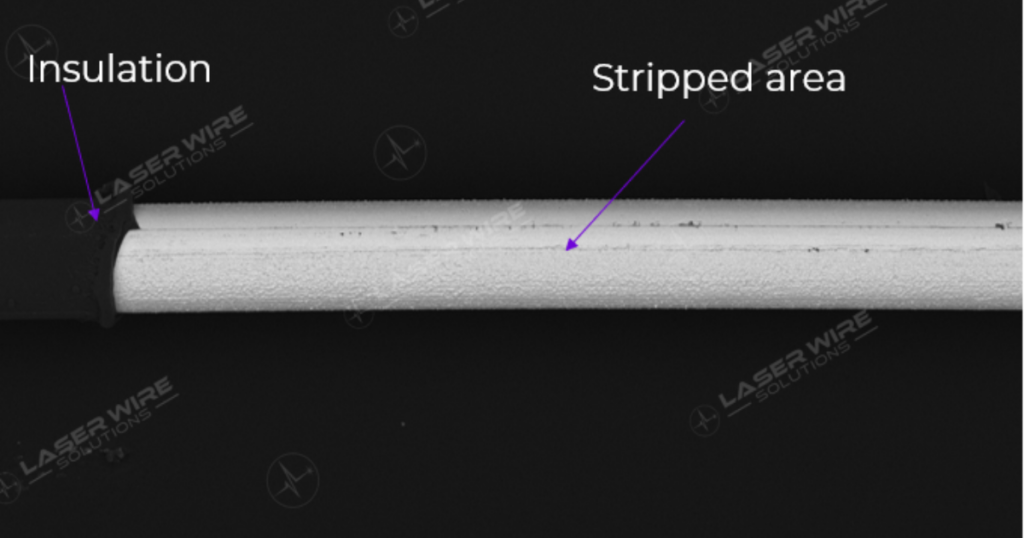
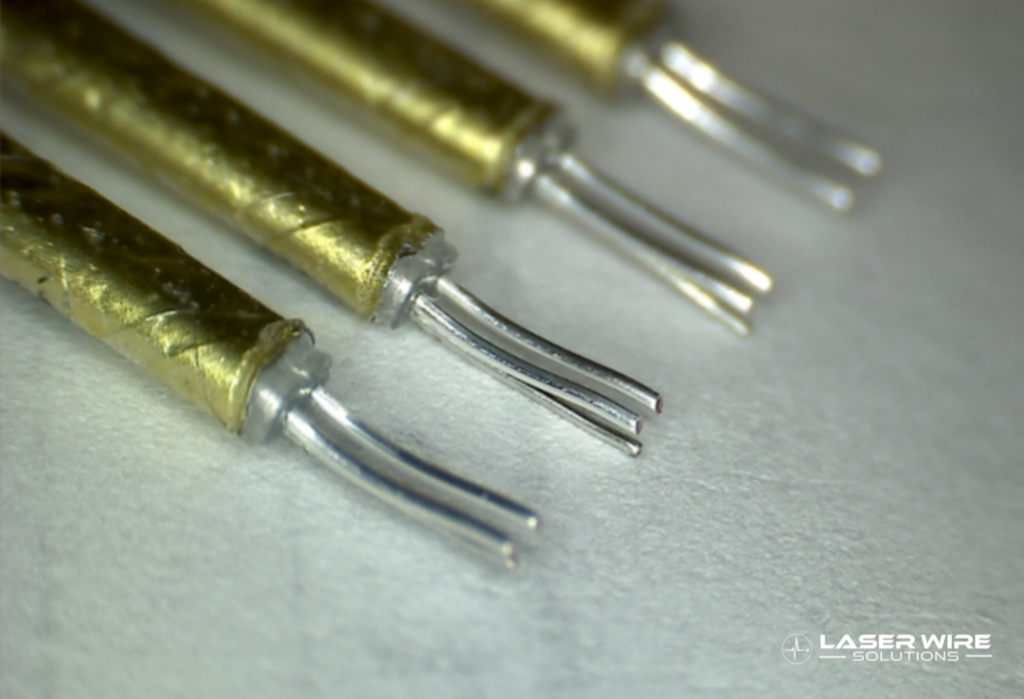
Like most of our best equipment, the Odyssey-8 wasn’t dreamt up in a lab looking for a problem to solve. It started with a customer project on a tight deadline, involving wire diameters as fine as 0.076–0.120mm. At that scale, there’s almost no margin for error – damage the conductor, and the part is scrap.
Our Applications Team worked through the material and the tolerances first, before any equipment was specced. A UV wavelength was the clear choice for clean, even ablation of the polyimide and polyurethane insulations involved, and the process needed to focus down to very fine spot sizes to get the job done without touching the copper underneath.
Built around the right laser for the job
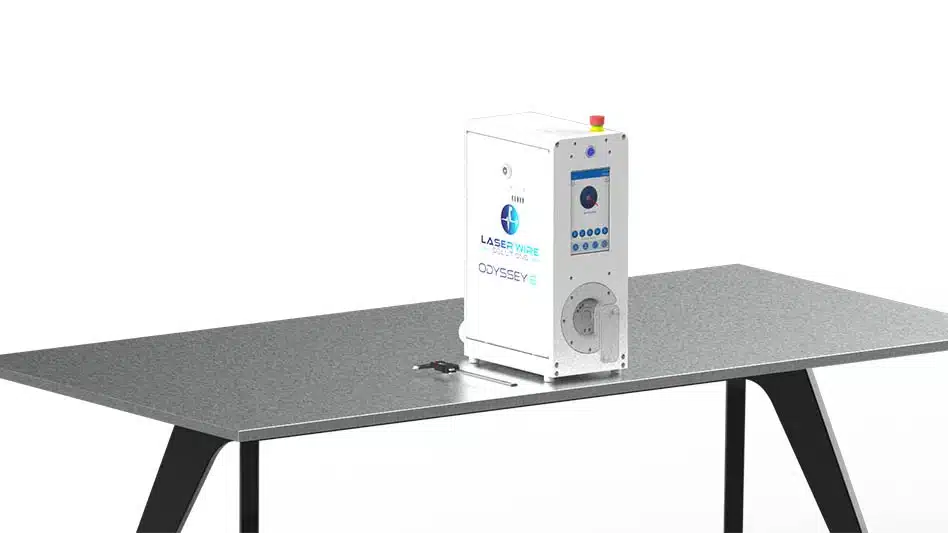
To make that process production-ready, we built the platform around the Spectra-Physics Explorer One HE 355-100 — the smallest UV laser in the Spectra-Physics range. Its compact “It’s in the Box” design was what allowed us to package the whole system into a footprint of 478 x 168 x 278mm, small enough to sit on a bench, enclosed, and ready to drop into an OEM production line.
From one-off project to industry standard
What began as a single customer solution has since grown into a platform used across medical device manufacturing, electronics assembly, and aerospace applications – anywhere ultra-fine wire needs to be stripped without compromising quality. Compared to mechanical benchtop methods like tweezer-style strippers or abrasion wheels, the non-contact, 360° laser process removes the guesswork and operator-dependent finesse that manual stripping relies on, delivering consistent, repeatable results strip after strip.
It’s a nice reminder of how we like to work: understand the problem on the customer’s material first, then build the equipment around a process that’s already proven – not the other way round.
Read the full case study, produced in collaboration with the team at MKS Spectra-Physics, on Aerospace Manufacturing and Design or Today’s Medical Developments.
Want to find out if the Odyssey-8 could handle your application? Explore Odyssey-8 or get in touch with our team.