Pulsed Field Ablation (PFA) is rapidly emerging as the next-generation technology for treating atrial fibrillation (AFib), with adoption accelerating faster than any previous transition in the cardiac ablation market.
As procedure volumes continue to grow globally, manufacturers across the medical device sector are scaling development and production of new PFA catheter platforms, creating increasing demand for precision manufacturing technologies, validated processes, and high-quality wire processing solutions.
What is Pulsed Field Ablation (PFA)?
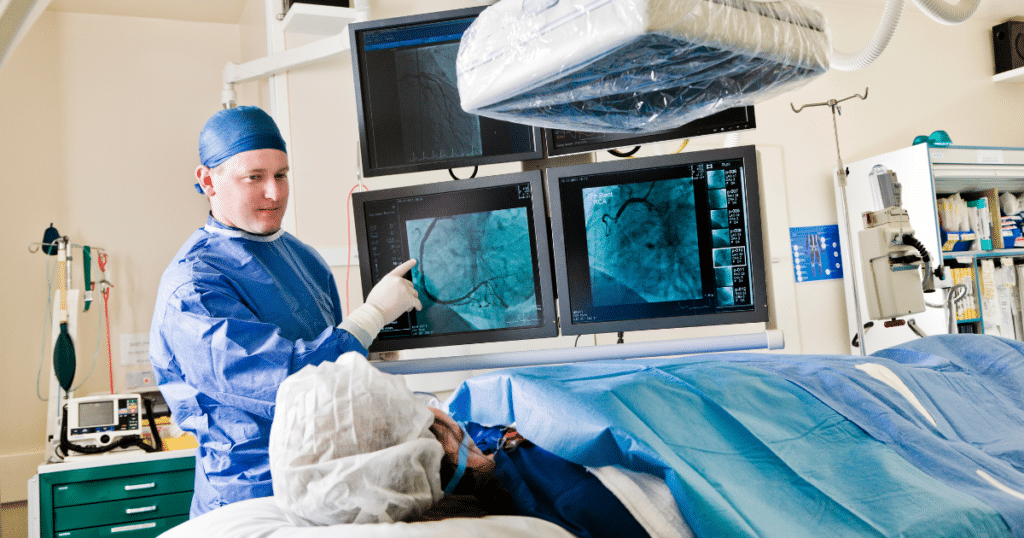
PFA is a non-thermal ablation technology used to treat atrial fibrillation, the world’s most common sustained cardiac arrhythmia.
Unlike traditional radiofrequency (RF) ablation, which uses heat to destroy cardiac tissue, PFA delivers short, high-voltage electrical pulses that selectively affect cardiac muscle cells through irreversible electroporation.
This approach offers several key advantages:
- Reduced thermal damage risk
- Shorter procedure times
- Simplified workflows
- Improved safety profile
- Faster physician adoption
Clinical studies have demonstrated strong effectiveness while significantly reducing many of the complications associated with thermal ablation technologies.
Why the PFA Market is Growing So Quickly
Several factors are driving rapid market expansion.
Rising AFib Prevalence
Atrial fibrillation affects more than 52 million people globally, with prevalence continuing to increase due to ageing populations, obesity, hypertension, and improved diagnosis through wearable monitoring technologies.
Earlier Intervention
In 2023, catheter ablation was upgraded to a Class 1 first-line recommendation for selected AFib patients, accelerating adoption and expanding the eligible treatment population.
Transition Away from RF Ablation
RF ablation has dominated the market for decades, but limitations around thermal injury, procedure duration, and workflow complexity have created strong demand for alternative technologies.
PFA is increasingly being viewed as the long-term replacement for RF in many AFib procedures.
Industry forecasts now project PFA penetration increasing from approximately 50% of global ablation procedures at the end of 2025 to around 80% by 2028.
What This Means for Medical Device Manufacturing
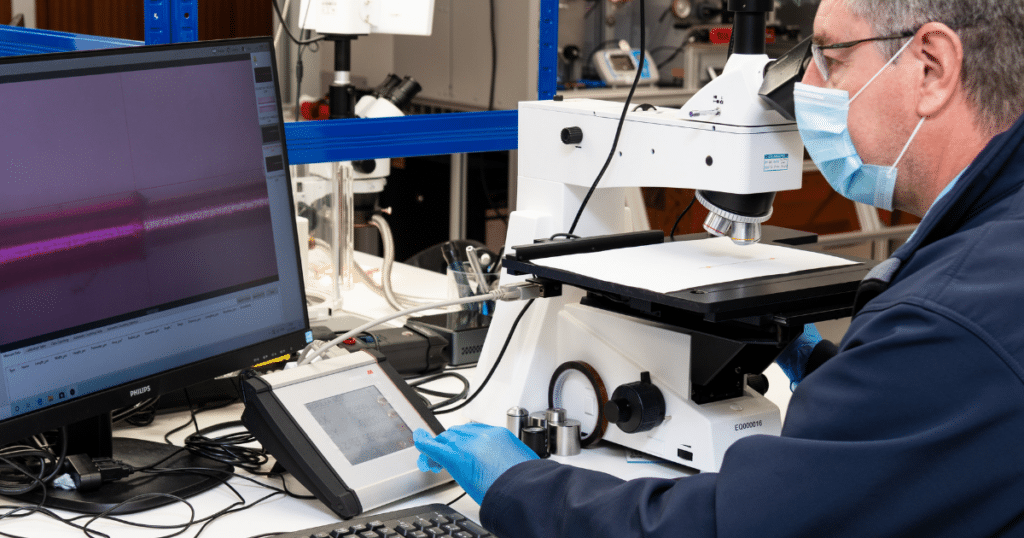
As OEMs scale PFA catheter production, manufacturing requirements are becoming increasingly demanding.
Modern catheter platforms often contain multiple ultra-fine wires, complex assemblies, and highly sensitive materials requiring:
- Precision wire stripping
- Consistent process validation
- High repeatability
- Minimal conductor damage
- Scalable manufacturing capability
Wire counts per catheter can vary significantly depending on platform architecture, increasing both manufacturing complexity and production volume requirements.
This is driving greater demand for advanced laser processing technologies capable of supporting both R&D and full-scale production environments.
The Importance of Process Validation
Within medical device manufacturing, the challenge extends beyond simply processing materials.
OEMs increasingly require:
- Validated manufacturing processes
- Repeatable production performance
- Reduced operator variability
- Scalable automation strategies
- Long-term manufacturing stability
As next-generation PFA platforms move through design validation and toward commercial production, supplier selection becomes increasingly critical due to the regulatory complexity of changing approved manufacturing processes later in the product lifecycle.
For manufacturers, this places greater emphasis on selecting processing technologies and partners capable of supporting long-term production requirements from the earliest development stages.
Supporting the Future of Cardiac EP Manufacturing
As the PFA market continues to expand, precision laser processing technologies are expected to play an increasingly important role in supporting the manufacture of next-generation catheter systems.
From ultra-fine wire processing to scalable automation and validated manufacturing workflows, the requirements of modern EP devices continue to push manufacturing standards higher.
At Laser Wire Solutions, we continue to support medical device manufacturers with precision laser processing solutions designed for complex, high-reliability applications, helping bridge the gap between R&D development and scalable production manufacturing.